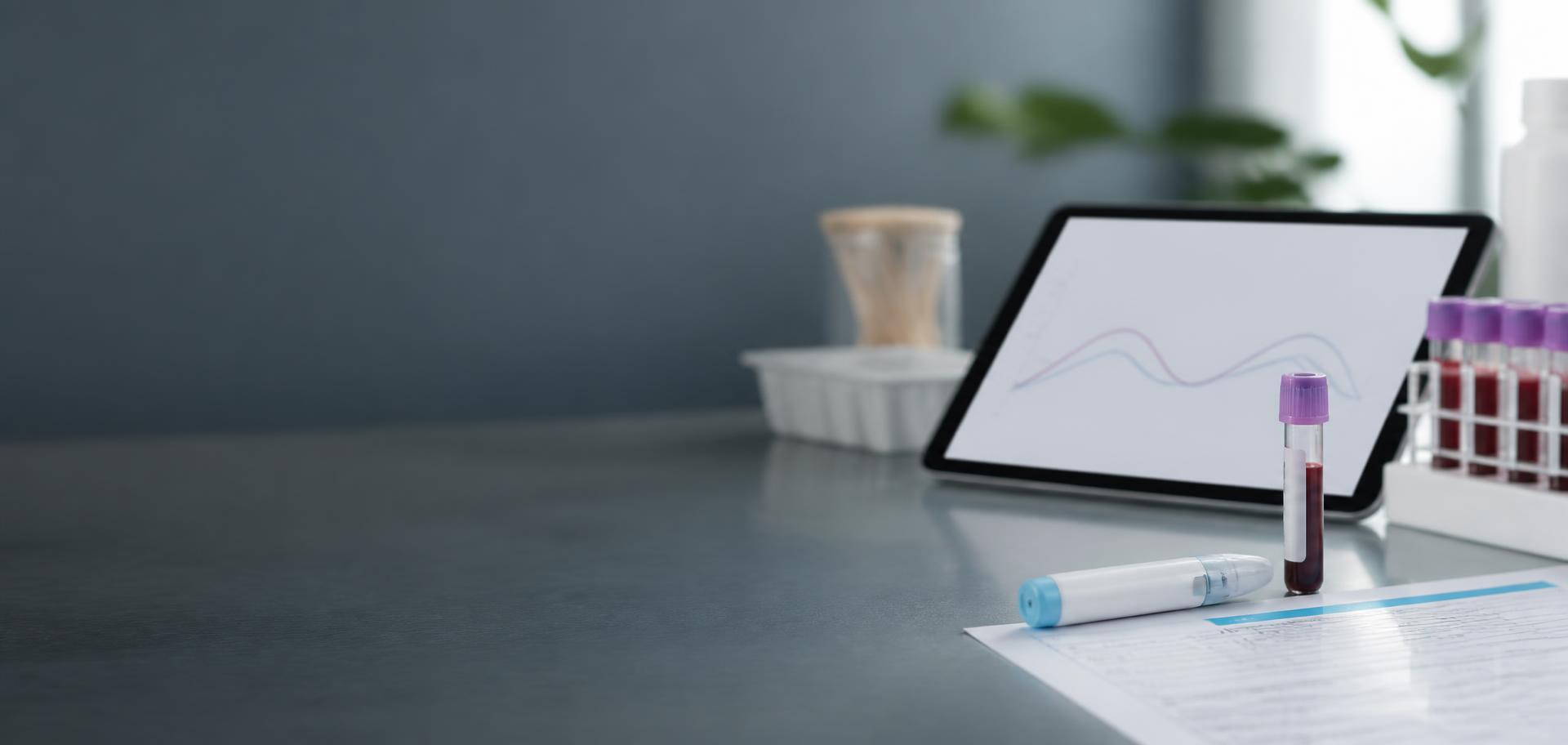
Low testosterone often shows up as a cluster: fatigue, reduced libido, less muscle despite training, more abdominal fat, and a flat or irritable mood. Symptoms are not a diagnosis on their own — they are a reason to check hormones, lifestyle, and other medical causes. This hub is written for English-speaking patients in Europe: what tends to be most specific, how blood results in nmol/L (ng/dL in parentheses once for orientation) fit in, and a sensible pathway (symptom screen → lab panel → specialist review → prescription only if indicated).
Symptoms are not the same as a diagnosis
Testosterone influences libido, erectile function, muscle and bone, mood and energy. When total levels fall — or when the free, biologically available fraction is low — several symptoms can appear together. Population work such as the Massachusetts Male Aging Study (Travison and colleagues) has described both age-related and secular (across decades) declines in serum testosterone in Western men. That does not mean every middle-aged man has hypogonadism; it does mean persistent symptoms deserve structured evaluation rather than dismissal as “just ageing”.
Guideline-oriented reviews (including work associated with Bhasin and Endocrine Society–style frameworks) generally require both compatible symptoms and repeatedly low morning testosterone measured under proper conditions before calling it clinical hypogonadism.
The more specific symptoms
Analyses of middle-aged and older men (including late-onset hypogonadism work linked to large European cohorts) suggest some complaints track low testosterone more closely than others:
Sexual desire and function
- Reduced or absent libido
- Fewer morning erections
- Erectile dysfunction not fully explained by vascular or psychological factors alone
- Lower sexual satisfaction
Body composition and physical capacity
- Loss of muscle mass and strength despite stable training
- Increased visceral fat
- Reduced endurance
- Lower bone density (often silent until imaging or fracture)
Energy, mood and cognition
- Persistent fatigue not explained by sleep debt alone
- Anhedonia / loss of drive
- Irritability, low mood or “brain fog”
- Reduced motivation
Other signals worth mentioning in clinic
- Gradual reduction in body/facial hair
- Hot flushes or sweating (less common)
- Fertility concerns (especially before any treatment decision)
Important: Fatigue, weight gain and low libido also arise from sleep apnoea, depression, thyroid disease, medicines, alcohol, stress or metabolic illness. Labs and history matter; symptom lists alone do not.
Common but less specific complaints
Many men describe “not feeling like myself”: poorer recovery, less competitive drive, social withdrawal, or caffeine no longer helping. These are valid reasons to investigate, not reasons to self-medicate.
AMS symptom test — a structured first step
The AMS symptom test (Aging Males’ Symptoms) organises sexual, psychological and somatic complaints. It does not replace a clinician, but it helps you:
- Describe the pattern objectively
- Track change over time
- Speak a shared language in consultation
Use it as screening, not as a verdict.
Blood tests: what a thorough panel usually includes
If symptoms suggest low testosterone, the next step is a proper hormone panel — ideally early morning, because testosterone follows a diurnal rhythm.
Typical markers:
- Total testosterone in nmol/L (roughly ×28.8 for ng/dL if you read US papers)
- SHBG
- Free testosterone (calculated or measured, lab-dependent)
- LH / FSH (primary vs secondary hypogonadism)
- Often also: oestradiol, prolactin, haematocrit, PSA (age/risk-based), lipids, HbA1c/glucose, TSH
See testosterone blood test without referral and order a hormone blood test via NordicTRT’s European lab pathway. Interpretation belongs with a clinician — a “normal” total does not rule out normal testosterone but still symptoms from high SHBG or grey-zone values.
Reference ranges and the grey zone
Lab ranges are often wide and drawn from mixed populations. LC-MS/MS reference work in healthy, non-obese young men (in the tradition of Bhasin/Travison-related research) typically centres higher than “all-comers” ranges. Practically:
- A result in the lower third of the printed range can still be clinically relevant if symptoms are clear
- One draw is rarely enough — confirmation is common practice
- Cut-offs on websites are not personal medical advice; guidelines are weighed with symptoms, age, fertility goals and comorbidities
Who should take symptoms especially seriously?
- Men with type 2 diabetes or metabolic syndrome (Dhindsa and others have described frequent hypogonadotropic hypogonadism in this group)
- Men with obesity and sleep apnoea
- Men with prior anabolic steroid use / post-cycle issues
- Men with pituitary disease, head trauma or chronic opioid therapy
- Men planning pregnancy (exogenous testosterone can impair spermatogenesis)
A sensible pathway in the EU (no GP-referral myths)
- Map symptoms (AMS + notes on sleep, training, medicines, alcohol)
- Blood panel — private/panel pathways can proceed without waiting on a GP referral letter (hormone blood tests in Europe)
- Specialist review — endocrinology / andrology / TRT-experienced physician
- Lifestyle optimisation in parallel: sleep, resistance training, weight, alcohol, stress
- Treatment only if indicated — prescription testosterone is issued if the physician finds a clinical basis. An EU prescription follows that medical decision; NordicTRT does not sell testosterone as an off-the-shelf product.
For the practical/legal framing, see TRT in Europe without GP referral — without wait-list promises or outcome guarantees.
Lifestyle steps that often help (with or without TRT)
- 7–9 hours of sleep; screen for apnoea if you snore or wake unrefreshed
- Progressive strength training 2–4×/week
- Protein-forward diet and reduction of visceral fat
- Limit alcohol; stop smoking
- Treat depression and chronic stress properly
- Review medicines with a clinician (opioids, glucocorticoids and others can lower T)
When to seek urgent care
Chest pain, sudden neurological deficits, severe depression with suicidal thoughts, or signs of acute endocrine crisis do not belong in a TRT article — use emergency services / your local urgent pathway.
Population decline (context, not your personal diagnosis)
There is evidence of a secular decline in men’s testosterone across decades (Travison/MMAS and others; Danish survey analyses). A meta-trend presented at ESHRE 2026 has been reported in media as about −54% across roughly 1972–2019 — that is conference analysis, not peer-reviewed settled fact. Read the cautious explainer: ESHRE 2026 −54% explained and the global testosterone decline overview.
FAQ (schema-ready)
What are the most common symptoms of low testosterone?
Reduced libido, erectile difficulties, fatigue, muscle loss, more abdominal fat and mood change. Clusters matter more than any single complaint.
Can I have symptoms with “normal” testosterone?
Yes. High SHBG, low free testosterone, grey-zone totals or other causes may be involved. See normal testosterone but still symptoms.
Is the AMS test enough to start treatment?
No. AMS is screening. Diagnosis and any prescription require clinical assessment and labs.
Do I need a GP referral first?
You can start with your GP. You can also obtain a testosterone blood test without referral and then seek specialist review. Treatment always requires medical indication.
Does TRT fix every symptom?
No. Some symptoms improve more often in men with documented deficiency; others need parallel care. Outcomes are individual — no guarantees.
Medical information, not personal advice. Treatment changes are decided with your physician.
Symptom checklist to bring to your appointment
Mark anything lasting more than 3 months:
| Domain | Examples | Note duration / severity |
|---|---|---|
| Libido | Lower desire, fewer sexual thoughts | |
| Erection | Morning erections, intercourse quality | |
| Energy | Afternoon crash, recovery | |
| Mood | Irritability, flatness, motivation | |
| Body | Muscle, abdominal fat, gym strength | |
| Sleep | Snoring, awakenings, CPAP? | |
| Medicines | Opioids, steroids, antidepressants | |
| Weight / diabetes | BMI, HbA1c, waist |
Take the AMS symptom test in the same week as your blood draw so the clinician sees numbers and symptoms together.
Primary vs secondary hypogonadism — why LH/FSH matter
- Primary (testicular): The testes produce too little T; LH/FSH are often high.
- Secondary (central): Pituitary/hypothalamic drive is low; LH/FSH are low or “inappropriately normal” despite low T.
That distinction guides further work-up (prolactin, imaging when indicated, fertility planning). It is one reason an isolated total-T figure is rarely enough.
Links with metabolic health
Observational and clinical literature (including Dhindsa’s work on hypogonadotropic hypogonadism in type 2 diabetes, and longer follow-ups in the Haider tradition on metabolic endpoints under physician-prescribed testosterone therapy) points to a two-way relationship: low T associates with insulin resistance and visceral adiposity, and metabolic disease can itself suppress the axis. That does not make TRT a diabetes cure — it means blood pressure, weight, sleep and glucose belong in the same conversation as libido.
More summaries live under testosterone research and clinical studies.
How to read a lab report without over-interpreting
- Check time of day (morning?).
- Note acute illness or severe stress (can temporarily lower T).
- Look at total T and SHBG / free T.
- Look at LH/FSH.
- Repeat if uncertain before major decisions.
- Review numbers with a clinician — not only a forum.
When ready for the next step: order a hormone blood test or read the full guide to a testosterone blood test without referral.
Related NordicTRT resources
- Blog teaser: symptoms of low testosterone (short)
- Testosterone blood test without referral
- TRT in Europe without GP referral
- Normal testosterone but still symptoms
- ESHRE 2026 −54% explained
- FAQ
Editorial note (E-E-A-T)
This hub cites established research lines (Travison/MMAS, Bhasin guideline tradition, Dhindsa, Haider series as context) without invented PMIDs. Population percentages from ESHRE 2026 are treated as conference analysis. Content is patient education for English-speaking EU users and does not replace individual medical consultation.